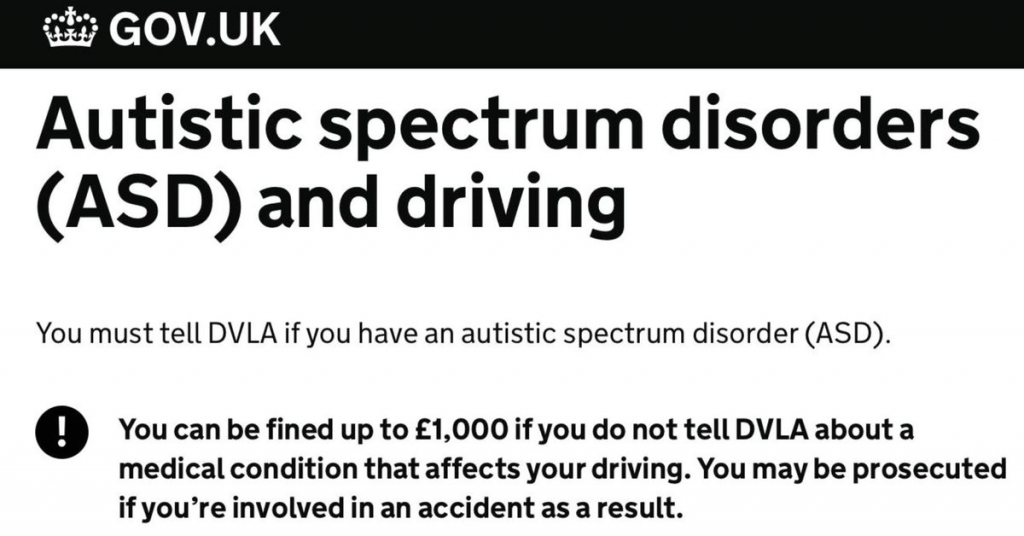
Should police officers be provided with condition-specific training in autism? NPAA Head of Policy Adam O’Loughlin considers the arguments for and against
One of things the NPAA is regularly challenged on is why autism should benefit from condition-specific training to frontline police officers. With that in mind a few weeks ago, a lady called Paula McGowan launched a petition online asking for a Parliamentary debate to discuss the merits of providing all police officers with mandatory training on autism and learning difficulties. This follows on from her successful campaign aimed at ensuring that all NHS staff receive training on the same conditions, prompted by the loss of her son Oliver at Southmead Hospital in Bristol.
Reaction to being asked to provide condition-specific training is met by The College of Policing with resistance, and the reasons for this are well-thought-out and well-argued. They tend to go along these lines:
- Police officers are not medical professionals
- There are so many conditions that police officers ‘need’ to know about that if we trained all our staff to the levels advocates want, we’d spend all our time training and none of our time doing police work
- It’s doesn’t actually matter what condition a person has – just do a balanced combination of what the public want and what the officers say they need, in context to ensure people’s safety and fundamental rights
These are all perfectly reasonable, and therefore it stands to reason that we need to have some robust arguments as to why we are doing it. I think it’s worth starting with some clarity about what autism is, and more importantly, what it isn’t. The reason is that autism means different things to different people.
First things first, then: autism is NOT a mental health condition. It is generally accepted that autism is a neurodevelopmental condition. Following on from that some autistic people view themselves as being disabled, others view themselves as simply having a differently wired brain. Many more have comorbid conditions such as dyslexia and dyspraxia, as well as mental illnesses such as depression and anxiety – which isn’t that much of a surprise considering many autistic people suffer from significant amounts of social exclusion. What almost all autistic people have in common however is that we don’t refer to ourselves as mentally disordered. And this is ironic, as legally at least that’s exactly what we are. It states it in the Mental Health Act. What that means in practice is that it is possible for someone on the autistic spectrum to meet the criteria in the Act for detention, even if the autism is not associated with abnormally aggressive or seriously irresponsible behaviour. Now that’s scary enough, but what it also means is that given the powers and responsibilities police officers are conferred with, we absolutely have to be aware of this. And right now most police officers aren’t.
What of the next point, that autism is just one of a number of conditions that interested parties advocate for? It’s a perfectly reasonable perspective. And in order to answer it, it’s helpful to consider whether there are other professional bodies or pieces of legislation that treat autism as a special case. As it happens there are, and ironically one of those is the Mental Health Act. Glance at the table of contents of the Codes of Practice and you’ll see that autism has its own chapter, under the heading “additional considerations for specific patients”. So clearly Mental Health legislators considered that autism was deserving of special consideration.
If that wasn’t enough, then there’s also the fact that autism is the only condition to have its own Act of Parliament; the Autism Act. The first reaction we normally get when we mention it is that many people are surprised that it exists at all. But in this case the facts are quite clear: The Act remains the first and so far the only condition-specific legislation of its type in England. This demonstrates the importance Parliament has attached to ensuring that the needs of people with autism are met. If Parliament consider autism to be important enough to warrant its own legislation, then surely it follows that policing should follow suit by treating it with similar seriousness. Here’s what the Act says about training:
“We recommend that other providers of public services, such as providers of services to support people into employment, police, probation and the criminal justice system look to follow the guidance to help improve the delivery of the services they provide to adults with autism: for example ensuring that staff who provide services to adults with autism have received autism awareness training would clearly be of value across all public services.”
And that’s not all. There’s also this:
“When people with autism come into contact with the criminal justice system it is often up to them, or their carer, to explain what having autism means. In some cases, it can positively change the way that police or courts view a situation. Police, probation services, courts and prisons should be supported so that they are aware of the communication challenges experienced by people with autism. NHS bodies, Foundation Trusts and local authorities should work with the criminal justice system to achieve this.”
And finally, this:
“Local Authorities, NHS bodies and NHS Foundation Trusts should seek to engage with local police forces, criminal justice agencies and prisons to the training on autism that is available in the local area and consider undertaking some joint training with police forces and criminal justice services working with people with autism.”
Moving on again, it’s not just Parliament, and it’s not just recommendations. As part of the Autism Strategy, each Local Authority is required by Public Health England to complete a bi-annual Self-Assessment Return (SAF) to demonstrate compliance with the Act. And it will come as no surprise to learn that there is a specific question about the very topic currently up for discussion. It’s actually question 23, and it looks like this:
Criminal justice services: Do staff in the local police service engage in autism awareness training?
Any police forces out there fancy replying: “No, because the College of Policing don’t think it’s a good idea?” No, us neither.
So we think it’s safe to say that the mandate is there. In fact, we don’t think it could be much clearer. The Mental Health Act treats autism as a special case, there’s a specific Act of Parliament that recommends that police forces should engage with partners to undertake training, and a mandatory self-assessment to inform the Department of Health as to progress.
That’s the why, and we think the case is made. ∎
Follow Adam O’Loughlin on Twitter at @autisticcop
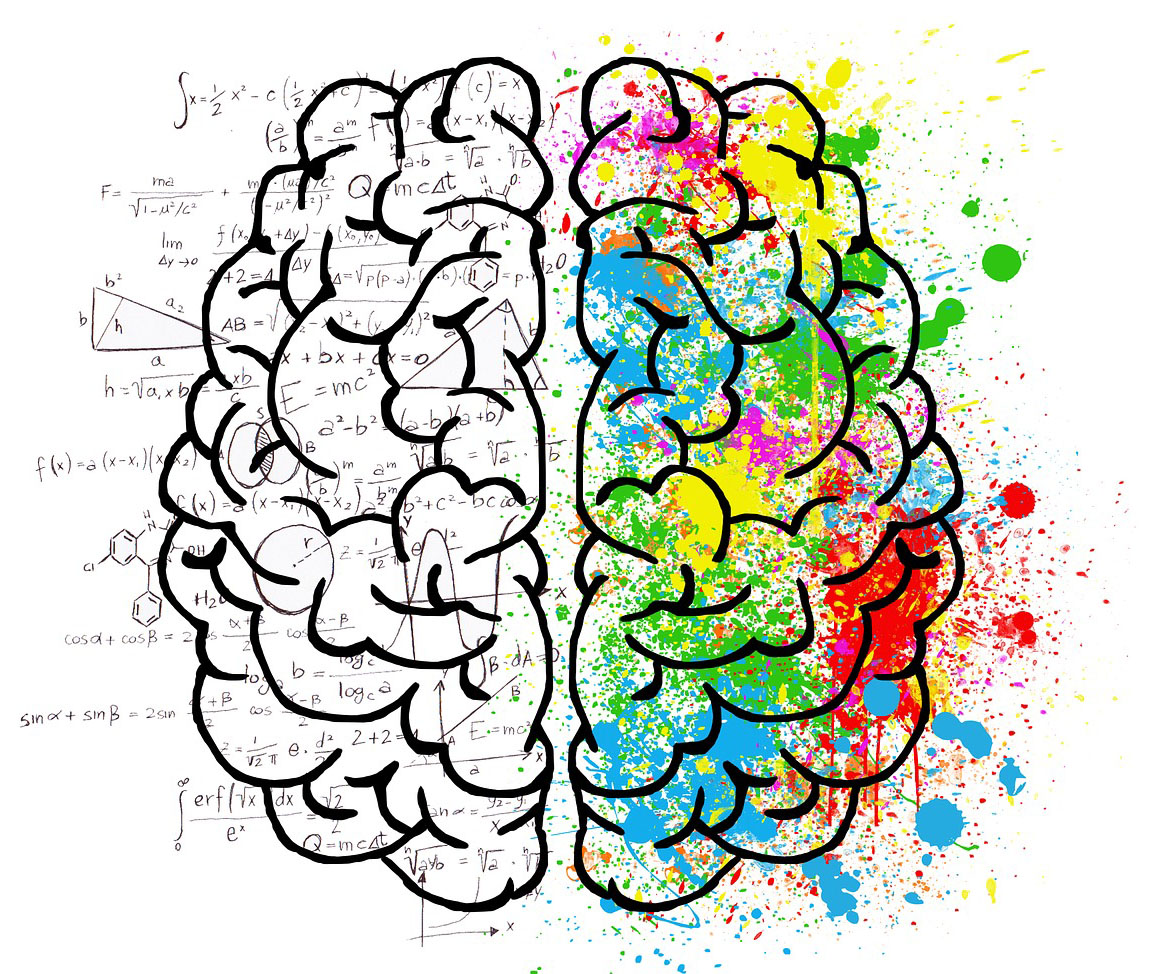 There are screening tools which help signpost if someone has ADHD; however diagnosis is ultimately based on a psychiatric assessment of behavioural traits according to the Diagnostic and Statistical Manual of Mental Disorders, 5th Edition (DSM5). lt is classed as a ‘hidden disability’, because many of the challenges faced by a person who lives with ADHD aren’t always obvious. There are many positive aspects of living with ADHD, however the purist medical concept of the condition defines it through a ‘double whammy’ of being a deficit and a disorder. Most often it is the negative behavioural traits which are exhibited and observed, which are impatience, impulsivity, hyperactivity, significant emotional dysregulation, and poor executive functioning skills. ADHD is not a behavioural disorder: neuroscience now proves that it is a difference in brain function for those who live with it.