Category Archives: News

“I used my experience to improve life for others”

From an autistic Police Constable to Police Sergeant – how one officer successfully challenged the system and improved career prospects for neurodivergent colleagues
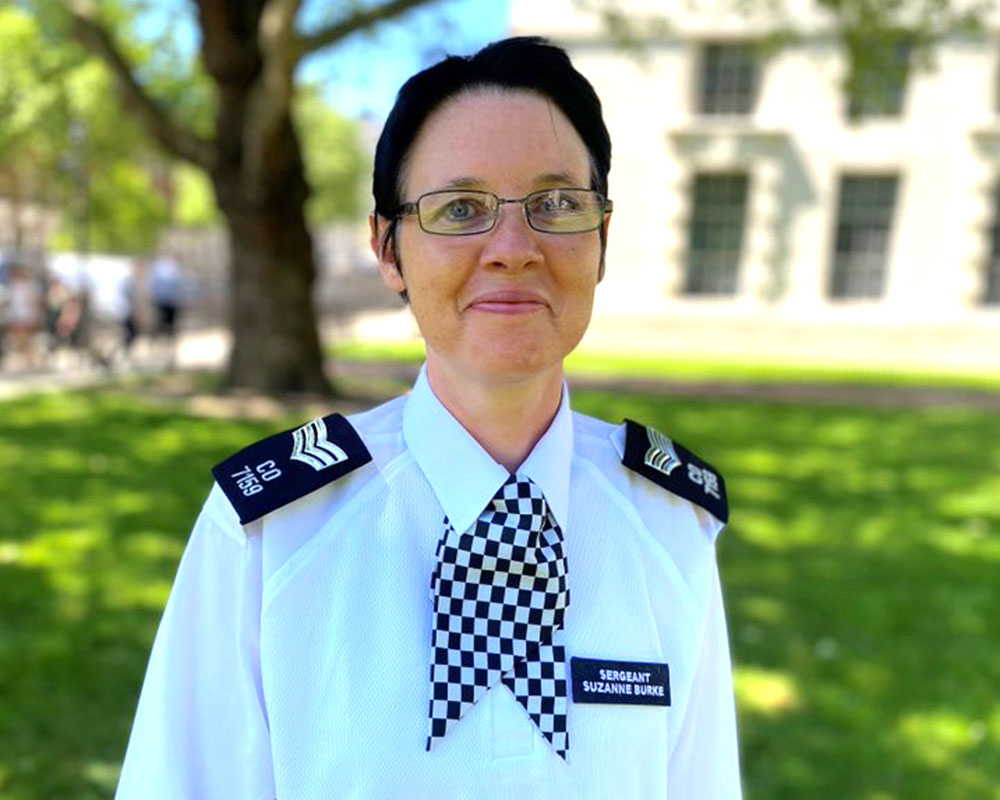
Sergeant Suzanne Burke

Back in April we published a blog by Suzanne Burke, a Constable with the Metropolitan Police Service, in which she spoke candidly about her experiences as an autistic police officer. For several years, Suzanne had tried unsuccessfully to achieve promotion, having passed the exams but finding the final interview stage to be an insurmountable obstacle.

Suzanne volunteered as a Police Federation representative in order to help colleagues who are neurodivergent themselves or need advice and support in managing neurodivergent colleagues. With the help of the Federation, Suzanne obtained funding for a National Autistic Society workplace assessment and secured the reasonable adjustments she needed. Since writing her blog, and with this additional support in place, Suzanne was successful in achieving promotion to the rank of Sergeant.

Suzanne said: “I’m now in a Metropolitan Police Service that is getting better all the time and there’s a willingness to change, even right up at the top.”

Read more about Suzanne’s personal journey in the Summer 2021 issue of the MPS Federation London Beat Magazine – click on the link for a PDF download of the article. ∎
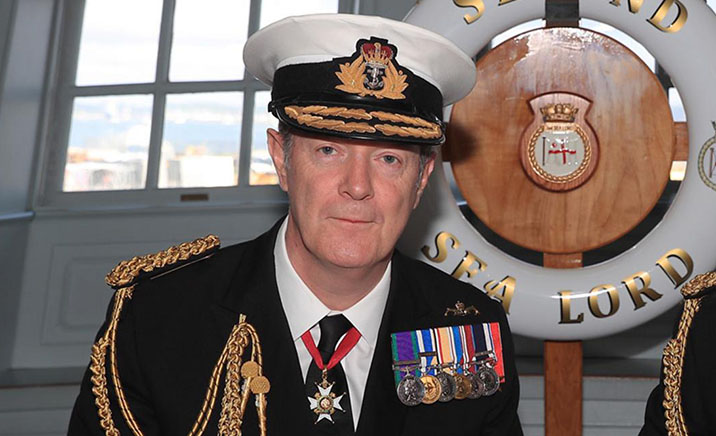
Royal Navy Second Sea Lord reveals he is autistic

Vice Admiral Nick Hine talks about his autism diagnosis and the need for neurodiversity in the Armed Forces

Vice Admiral Nick Hine

In a candid interview with The Times ahead of World Autism Awareness Day, Vice Admiral Nick Hine has revealed that he is autistic.

Vice Admiral Hine – as Second Sea Lord, the second highest ranking officer in the Navy – was diagnosed with autism 10 years ago. At the time he only disclosed his diagnosis to close friends and family.

In the interview, Hine talked about his reputation for being “blunt, challenging and difficult”, which eventually led him to seek a formal diagnosis. These traits, along with a single-minded determination helped him to forge a career in the Navy. With his retirement approaching in 2022, Hine made the decision to speak out in order to highlight the value of neurodiversity to the Armed Forces and the particular skills that conditions such as autism can bring to the service.

The Vice Admiral described himself as having a brain that is “wired differently”, and said: “It doesn’t mean that I am disabled, it doesn’t mean that I am odd, it doesn’t mean that I am in any way shape or form less capable. It means that I am different.” Hine went on to state his belief that it was essential for the UK’s military to recruit those who could think differently in order to remain an effective fighting force in years to come.

Information on the autism diagnosis process for adults and children can be found on the National Autistic Society website.

Coronavirus: new requirement for face coverings in shops

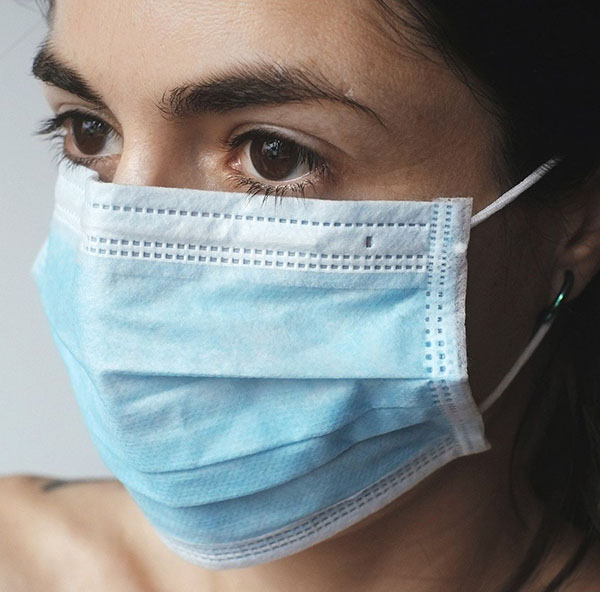
From the 24th July 2020 it will be mandatory by law to wear a face covering in shops, supermarkets, transport hubs and other enclosed public spaces in England, as part of the effort to curb the spread of coronavirus. Face coverings have been required to be worn on public transport in England since the 15th June. (Different rules apply in Wales, Scotland and Northern Ireland.)

Exemptions apply for disabilities or conditions such as autism where wearing a face covering would cause distress. To assist with explaining the need for an exemption, information cards suitable for displaying on a phone or printing are available on the GOV.UK website (click on the link to access PDF downloads).

Note that it is not a requirement in law to carry an information card or medical evidence supporting an exemption – the Government website advises:

Some people may feel more comfortable showing something that says they do not have to wear a face covering. This could be in the form of an exemption card, badge or even a home-made sign.
This is a personal choice and is not necessary in law.
Those who have an age, health or disability reason for not wearing a face covering should not be routinely asked to give any written evidence of this. Written evidence includes exemption cards.

Further resources and advice are available from the National Autistic Society.