 The Chartered Institute of Personnel and Development has today released their Neurodiversity at Work guide for HR professionals and leaders, in association with Uptimize. The CIPD’s support of neurodiversity represents a milestone in the acceptance of ‘difference of thought’ as a mainstream business concept in the UK, and a growing realisation that conditions such as autism and dyslexia bring a critical advantage to the workplace in the form of visual processing and strong problem-solving skills.
The 48-page report includes a glossary of neurodiverse conditions, advice for managers on getting the best from neurodivergent staff, and case studies of organisations running neurodiversity recruitment and development programmes. It is available as a PDF download from the CIPD website.
We would like to extend our thanks to the CIPD and Uptimize for inviting the NPAA to contribute to the guide, and for including us as a case study.
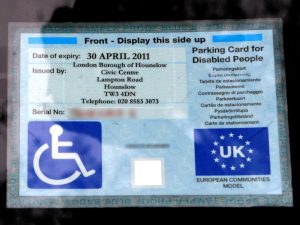 Although the scheme is commonly associated with physical disabilities requiring the use of mobility aids, people with non-visible disabilities such as autism and dementia are also eligible to apply, providing they can show that their condition limits their mobility (for example, difficulty with crowded parking facilities). However, the Government has identified that guidelines around ‘non-physical’ eligibility are not applied consistently by local authorities, with some disabled people being unable to join the scheme despite their condition making it difficult for them to use a car. The Department of Transport, which administers the Blue Badge scheme, hopes to implement revised guidelines that should make badges available for those who need them most, regardless of the nature of their disability.
 Since we launched back in 2015, the NPAA has been committed to supporting a range of hidden conditions as well as autism, and to promoting the concept of neurodiversity – difference of thought – in the police service. We believe that the ability to think differently is vital to solve the problems of 21st century policing, and if our mailbox is anything to go by, we’re not the only ones: it’s looking like 2017 will be the year that neurodiversity starts to achieve widespread recognition.