PhD student and former police officer Alexander Wood shares his personal experience of acquired brain injury (ABI), a form of neurodiversity that is often lesser considered but has wide-reaching impacts on individuals and society
On the 4th December 2025, there was a debate in Parliament on a comprehensive action plan on acquired brain injury, which highlighted the importance of recognition of the condition. This underlined for me the urgent need for awareness and understanding of ABI.
According to the report, around 350,000 people a year are admitted to hospital in the UK with an ABI.
ABI is heavily over-represented in the criminal justice system, with around six in 10 prisoners reporting a history of brain injury, and associated justice costs estimated at £1.5 billion annually.
ABI is often misunderstood because its effects can be subtle and not always immediately visible. Depending on the severity and location of the injury, the consequences can be essentially invisible to others. An affected individual may appear to function normally at work or in daily life, while still experiencing significant cognitive, emotional, or physical challenges that are not outwardly obvious. Like anyone else, people change as they grow through life, but following a brain injury, these changes are not always well understood.
I personally suffered a brain injury in 2017 during my former police career. At the time, there were never any questions asked about my brain injury because the police organisation relies on medical professionals to ensure support is provided. However, I was quickly discharged without any follow-up support. At the time, I never gave much thought to the wider-reaching consequences, and even now I will probably never fully understand the impact it has had on my life. My experience highlighted to me how, when it comes to neurodiversity, the way policing operates internally often mirrors how it delivers externally, shaping how neurodivergent individuals are understood, engaged with, and treated.
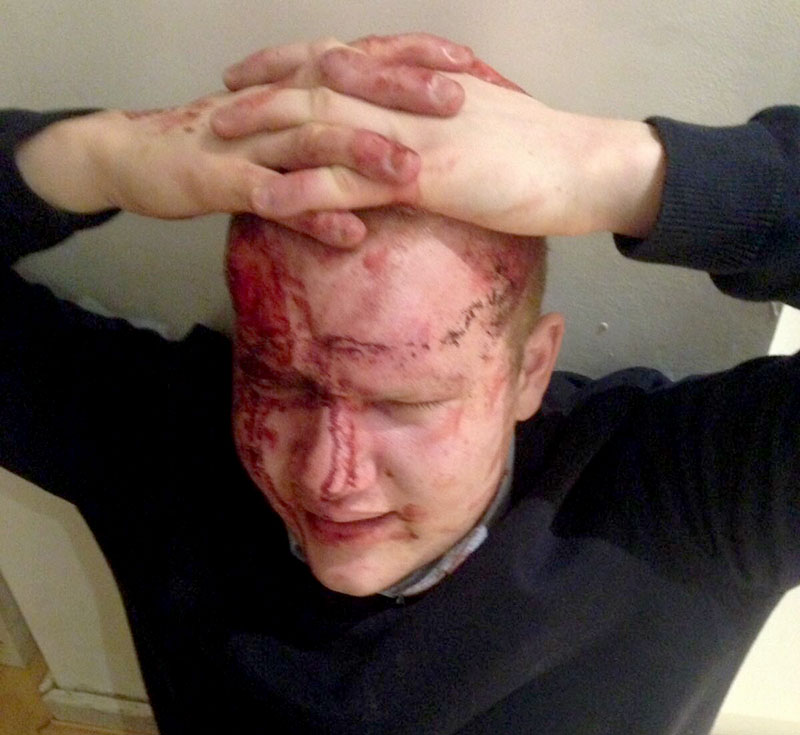
I still recall the incident as if it happened seconds ago. The moment my head struck the floor is burned into my memory: the impact, the shock, the disorienting rush of pain. The fracture in my skull has left me with lingering sensitivity – a constant reminder of how close I came to something far worse. I know it could have been worse, and I know I have been fortunate. The aftermath of my injury can be seen here (warning – graphic image).
Being a police officer working in a response environment, it is easy to believe that you are bulletproof. I ignored the signals my body and mind were sending me, pushing through fatigue and stress without pause, never fully accepting my limitations. In that moment, I learned that resilience isn’t just about pushing harder; it’s about listening to yourself, respecting your limits, and taking care of yourself.
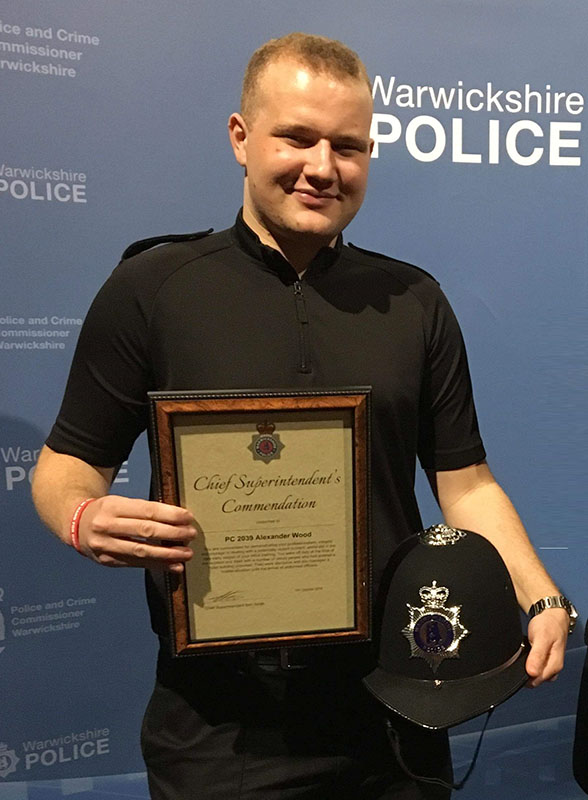
I’m proud to have received two Chief Superintendent’s Commendations, and to have completed a Master’s degree part-time over two years while working full-time as a response officer. Having left the police service in 2023, I am now studying for a fully funded PhD at the University of Worcester, for which I have partnered with the NPAA to conduct an investigation into the levels of support offered for neurodivergent police officers across England and Wales. I am very aware that brain injuries can have detrimental impacts, and I feel extremely thankful to have achieved all of this post-injury.
Recovery from brain injury is a journey, and it starts with self-acceptance: learning your true self, understanding your limitations, and embracing your strengths. Every day, I am reminded of the fragility of life and the strength found in acknowledging our vulnerabilities. I hope that sharing this story encourages others in high-pressure roles to recognise their own limits, prioritise self-care, and understand that true strength includes knowing when to step back. ∎